Featured in this category
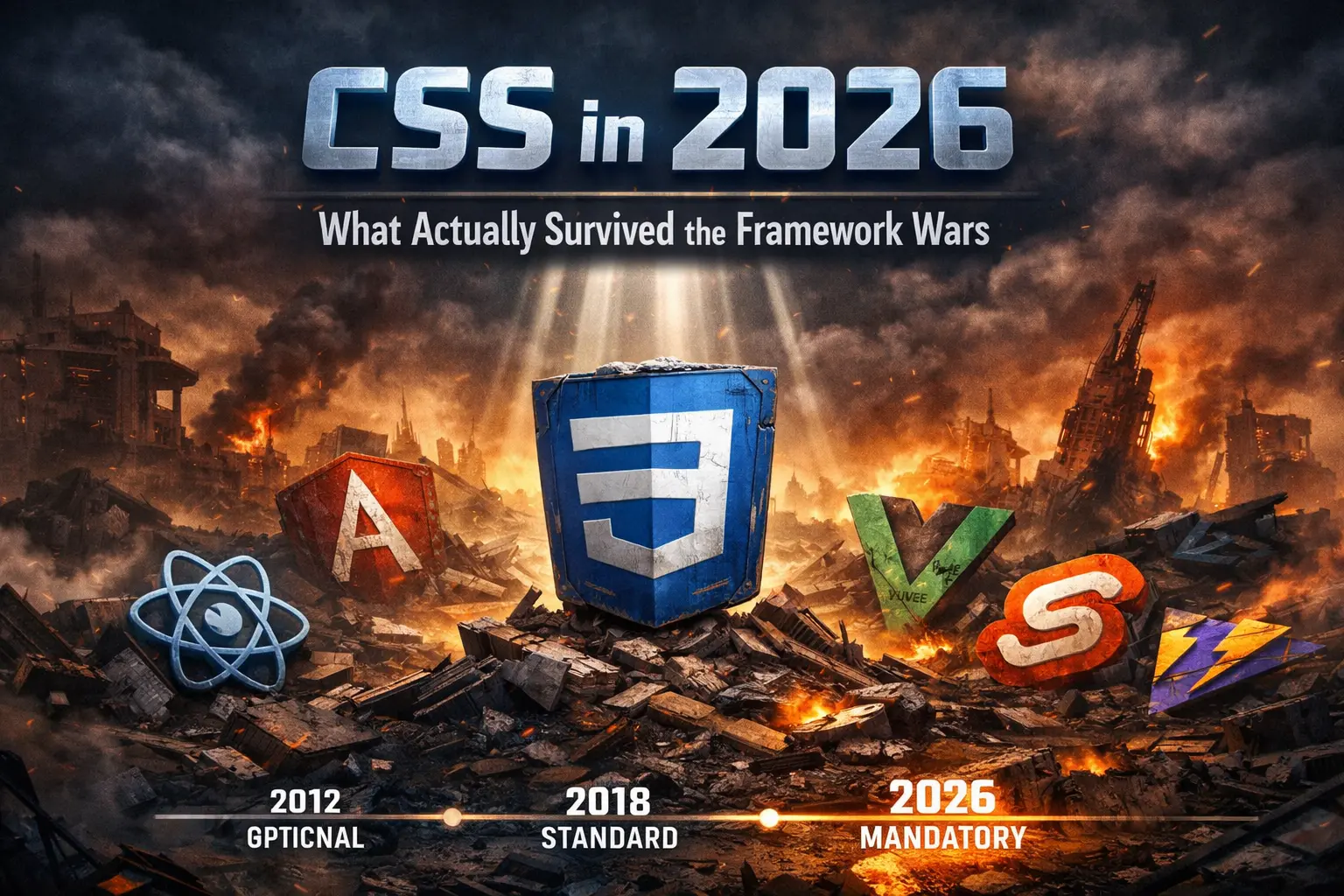
CSS in 2026 - What Actually Survived the Framework Wars
From CSS Modules to Tailwind to zero-runtime libraries — the styling landscape has been chaotic. Here's what's actually standing in 2026 and what you should be writing today.
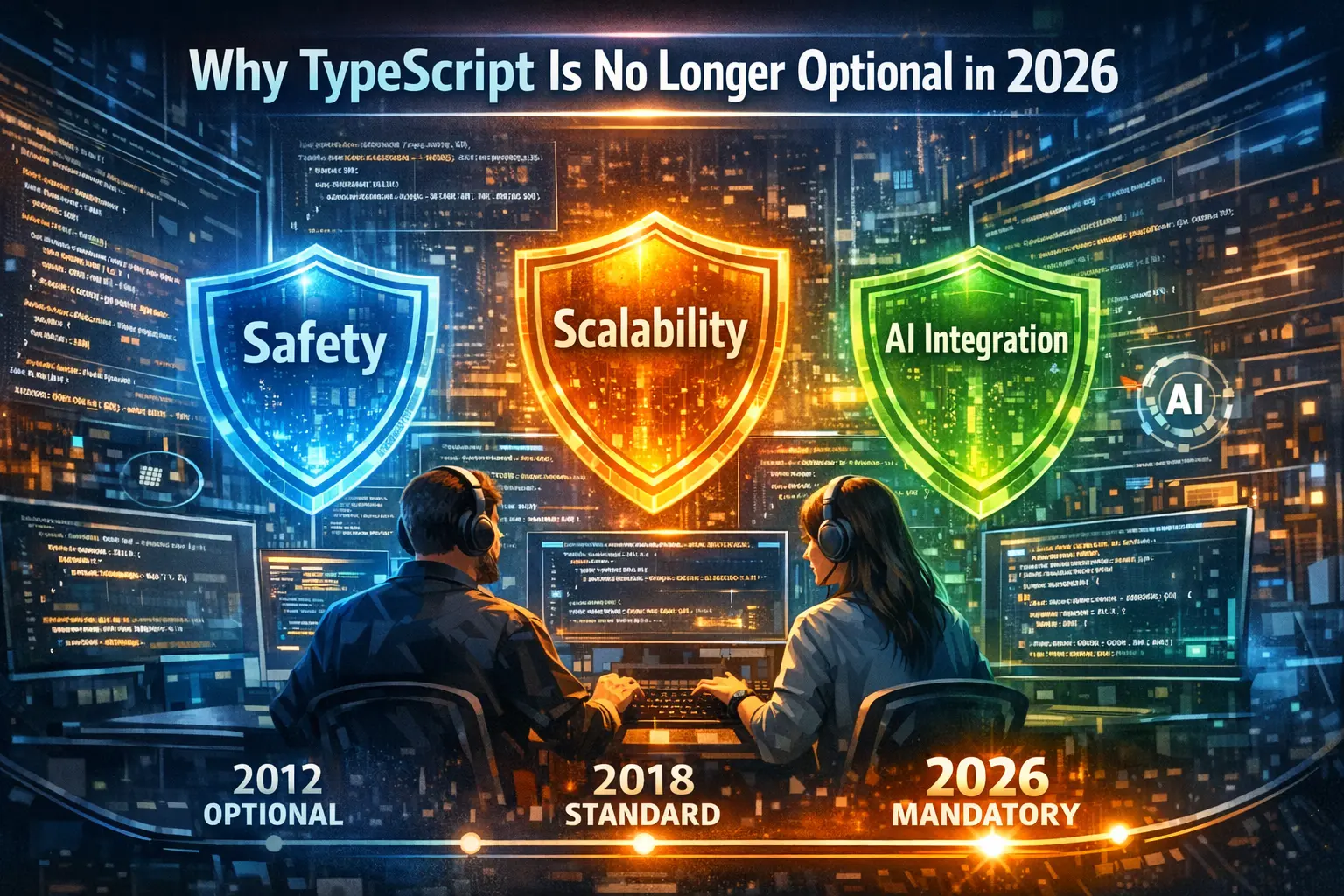
Why TypeScript Is No Longer Optional in 2026
TypeScript has gone from "nice to have" to a hard requirement in most dev job listings. Here's why skipping it in 2026 is career suicide — and how to get up to speed fast.
About Language
The Languages Shaping the Modern Web
Understanding the specific role each programming language plays in the ecosystem helps you choose the exact tool needed for your next build. From rendering smooth interfaces in the browser to handling heavy data pipelines on the server, every language brings its own unique strengths to development teams.
JavaScript (and TypeScript)
JavaScript is the only programming language capable of running natively inside web browsers, making it the bedrock of interactive web development. With the evolution of runtime environments like Node.js, its reach expands far beyond the browser.
Dynamic Client-Side UI: Powers real-time user experiences, from updating content without a page reload to managing complex single-page applications (SPAs).
Full-Stack Application Development: Enables developers to use a single language across the entire application stack. Frameworks like NestJS provide structured, corporate-grade architecture on the server side.
Real-Time & Asynchronous Services: Handles thousands of concurrent network connections efficiently, making it highly effective for chat applications, streaming platforms, and WebSockets sync.
Python
Python emphasizes clean, human-readable syntax and developer velocity. It relies heavily on a massive ecosystem of pre-built libraries and packages, allowing engineering teams to ship features rapidly.
Data Science & Machine Learning Integration: Acts as the primary interface for processing complex datasets, training AI models, and building generative engine utilities.
Rapid Backend API Development: Frameworks like FastAPI and Django allow for quick setup of robust REST or GraphQL APIs with automated documentation generation.
Automation & Scripting: Widely used for writing background scripts, cron jobs, file processing utilities, and automated testing suites.
Go (Golang)
Go was designed by Google specifically to tackle concurrency and infrastructure bottlenecks at scale. It compiles directly to native machine code, leading to low memory overhead and blazing-fast execution speeds.
Microservices & High-Throughput APIs: Excels at handling massive volumes of network requests per second while consuming minimal CPU and RAM resources.
Cloud-Native & DevOps Tooling: Used to write major cloud-infrastructure software, including container technologies like Docker and orchestration platforms like Kubernetes.
Distributed Systems: Native concurrency features (goroutines) make it straightforward to write software that splits tasks across multiple CPU cores or server networks.
PHP
PHP is a server-side scripting language explicitly engineered for web development. It powers a vast portion of the global web, especially within traditional content delivery systems and modern rapid-development setups.
Content Management Systems (CMS): Drives the core architecture of platforms like WordPress, enabling rapid creation of blogs, portfolios, and publication websites.
Monolithic Business Applications: Frameworks like Laravel offer a comprehensive ecosystem out of the box, handling everything from database migrations to authentication in a unified codebase.
E-commerce Foundations: Used extensively to build secure, server-rendered shopping carts and transactional business applications.
Rust
Rust focuses heavily on absolute memory safety and predictable execution speeds without using a garbage collector. It is increasingly adopted where raw hardware performance and rock-solid security are the top priorities.
High-Performance WebAssembly (Wasm): Compiles down to highly efficient binaries that run inside the browser alongside JavaScript, allowing for intensive in-browser tasks like video editing, Figma-style design interfaces, or 3D rendering.
System-Level Networking Gear: Used to build ultra-fast web proxies, load balancers, and security-critical backend services.
Next-Gen Tooling: Powering modern, lightning-fast web development build tools, compilers, and bundlers.